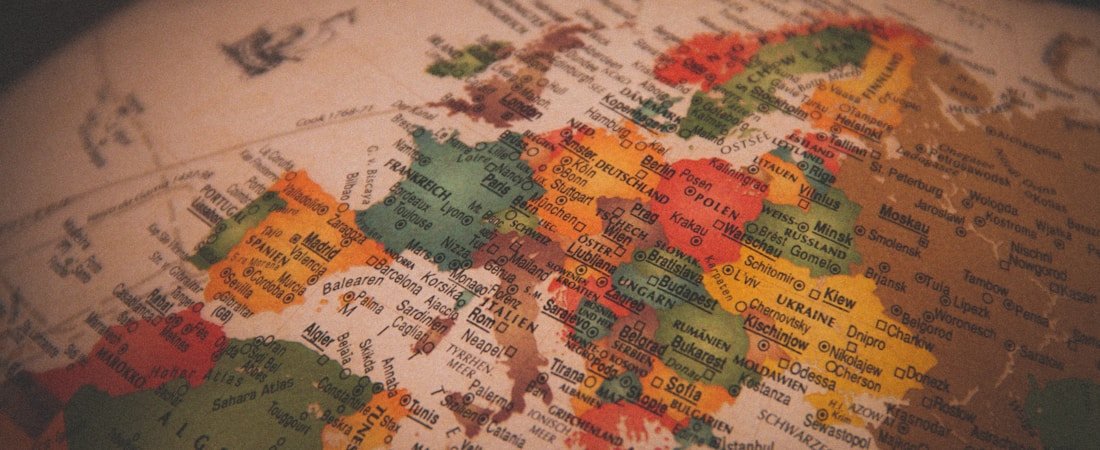

The Complexity of Geopolitics
Geopolitics plays a crucial role in shaping the landscape of international relations. It refers to the study of how geographical factors influence global political behavior and power dynamics. In our rapidly changing world, understanding these forces is vital for interpreting current events and predicting future conflicts.
Historical Context and Its Significance
Analyzing historical events allows us to grasp the intricacies of present-day global conflicts. From the Cold War’s ideological divide to the evolving nature of alliances in the 21st century, history provides insights into how nations act and react to each other. By learning from past mistakes and successes, policymakers can craft better strategies to navigate international affairs.
Diplomacy and Strategy in Action
Diplomacy remains an essential tool in addressing world affairs. The art of negotiation has become increasingly complex, as countries must consider not only their own interests but also regional stability and the interconnectedness of global economies. Strategic partnerships and coalitions can either mitigate tensions or escalate disputes; thus, understanding diplomatic relations is vital for maintaining peace.
As we delve deeper into these subjects, the importance of informed discourse becomes paramount. Engaging with long-form essays and analyses enhances our understanding of the underlying factors that contribute to global conflicts and the evolving nature of diplomacy.
